15 Wedding Planning Tips Nobody Tells You (Until It's Too Late)
Every wedding planning guide covers the checklist. Few cover what actually surprises couples on the day, what decisions matter more than they seem, and what to let go of completely. These 15 tips fill that gap.
The standard wedding planning advice covers booking venues, choosing vendors, and sending invitations on time. All necessary. None of it prepares you for what it's actually like to plan a wedding.
Here are the things that experienced couples and planners consistently wish someone had said earlier.
Budget and Priorities
1. Decide your three non-negotiables before you set a budget
Every couple has three things they care about above all else: venue, food, photography, music, flowers, whatever they are. Identify them explicitly before you look at prices. Then build the budget around those three and compromise on everything else. Couples who don't do this end up spending evenly across things that matter to them very differently.
2. The hidden costs of a cheap venue
Venue hire prices rarely tell the whole story. Add: corkage fees, required catering suppliers, set-up/break-down charges, parking, accommodation, chair hire, staffing requirements. The cheapest listed venue is often not the cheapest actual venue. Ask for a full cost breakdown before comparing.
3. Pay for a good wedding coordinator, not a wedding planner
Full-service planners are expensive and most couples don't need them. A day-of coordinator: someone who manages the timeline, vendors, and logistics on the actual day: is one of the highest-ROI wedding investments you can make. You can plan the whole wedding yourself and hand off execution for one day. It changes the experience entirely.
Timeline and Logistics
4. Your timeline will run 20 minutes behind schedule
Not might. Will. Build 20 minutes of buffer into every major transition in your day: after the ceremony, between portraits and reception, before the first dance. The couples who build in buffer enjoy their day. The ones who don't spend it apologising to vendors.
5. The getting-ready period takes twice as long as you think
Hair and makeup for a wedding party of four people in a hotel suite with breakfast being delivered and three different people's family members dropping by takes much longer than the stated appointment time. Budget at least 50% more than your HMUA quotes for the whole morning to be genuinely ready.
6. Group photos need a dedicated person running them
The group photo session is where weddings lose 30 minutes they can't get back. Designate one person (not a family member, not a bridesmaid who wants to be in the photos) to call out names, assemble groups, and keep it moving. Give them a printed list. Five minutes of preparation saves thirty minutes of chaos.
Guest Experience
7. Your guests feel the gaps
The 90-minute gap between ceremony and reception while the wedding party does portraits is the most commonly negative part of guests' experience, and the most overlooked by couples. Plan for this time explicitly. Give guests somewhere to be, something to drink, and something to do. Lawn games, a bar that's open, and a good space make this gap disappear.
8. Give guests a way to contribute photographs
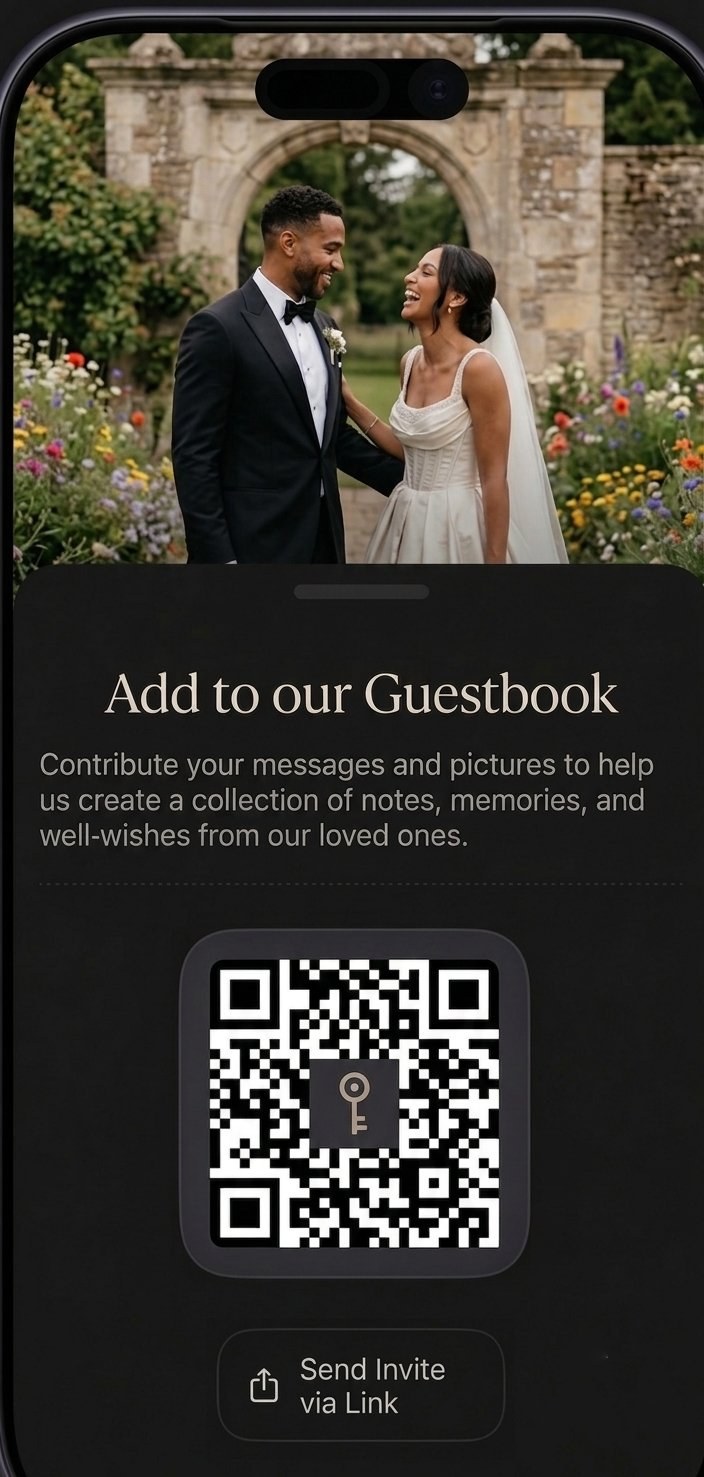
A professional photographer captures the formal record. What captures the rest is guest-contributed photography. Setting up a Folio film before the wedding: a shared disposable camera where guests shoot freely with no previews and a reveal date after the wedding: consistently produces photos that become couples' favourites from the whole day. It also gives guests something to do and look forward to.
9. The speech order matters more than you think
Speeches after the main course, when guests have eaten and the evening is winding down, is the correct format. Speeches before food (common in some traditions) put guests through emotion before they've eaten, which is physiologically different and often less receptive. If you have a choice, feed people first.
The Day Itself
10. You won't eat at your own wedding
Everyone says it. Nobody believes it until it happens. Designate someone to literally deliver food to you and your partner during dinner and insist you eat it. A wedding night where you had nothing but champagne ends at 9pm.
11. Have a moment alone together
Right after the ceremony, before the receiving line, before cocktail hour: find five minutes to be alone together. Step outside. Hold hands. Be quiet. The whole day is performed for other people; this is the one moment that belongs only to you.
12. Your wedding will not look like your inspiration board
And it will be better. Real events are alive in a way that styled shoots aren't. The people, the light, the laughter, the mistakes: all of it is more beautiful than anything you pinned. The couples who enjoy their weddings most are the ones who let go of the image and inhabit the experience.
After the Wedding
13. Write thank-you notes within three weeks
After three weeks, the specific memory of what guests said, what gifts they gave, and what they contributed to your day starts to blur. Write the notes while the details are vivid. Handwritten notes for everyone. Generic emails for no one.
14. Create a memory archive before the honeymoon
Before you leave, back up every photo you have, collect the guestbook, save the speeches, and start the Folio reveal countdown. You'll have months before the professional photos arrive: don't let the immediate memories dissolve into a honeymoon fog.
15. The day after is the day you'll actually reflect
The wedding day moves too fast to properly absorb. Set aside the morning after: before everyone leaves, before the cleanup begins: for a quiet breakfast with your partner and a few closest friends. This is when the day actually lands. Protect that time deliberately.
Planning a wedding is one of the most sustained creative and logistical exercises most people ever undertake. These tips won't make it simple, but they'll make it less surprising.
Frequently asked questions
For a wedding at a popular venue, 12 to 18 months is realistic in most cities. For smaller, more flexible arrangements, 9 to 12 months is workable. The main constraint is venue availability: everything else can be organised in 6 months if needed.
The venue: because it determines the date, the guest capacity, the catering constraints, and the overall visual direction. Once you have a venue and date, everything else follows. The second most important early booking is the photographer, because good ones book 12 to 18 months in advance.
The two most effective strategies are: deciding explicitly what matters and what doesn't (so every decision gets the right level of attention), and giving control of specific areas to people you trust. The couples who experience the most stress are those trying to control everything personally. The most enjoyable planning processes involve genuine delegation.
The gap between ceremony and reception (and what guests do during it), eating on the day, having a dedicated coordinator to manage the timeline, a moment alone with their partner, and a plan for guest-contributed photography beyond the professional coverage.
Identify your three non-negotiables and spend there. Cut ruthlessly on everything else. The budget leaks usually happen in favours, stationery, and extras that felt important during planning and go unnoticed on the day. Spend on food, photography, and guest experience: these are the things guests feel and remember.
Ready to capture your next event?
Download Folio for free and create your first film in minutes. Everyone shoots. Nobody peeks. The reveal is the moment.